Why is Warehouse Storage at a Premium in the UK?
The Squeeze on Space
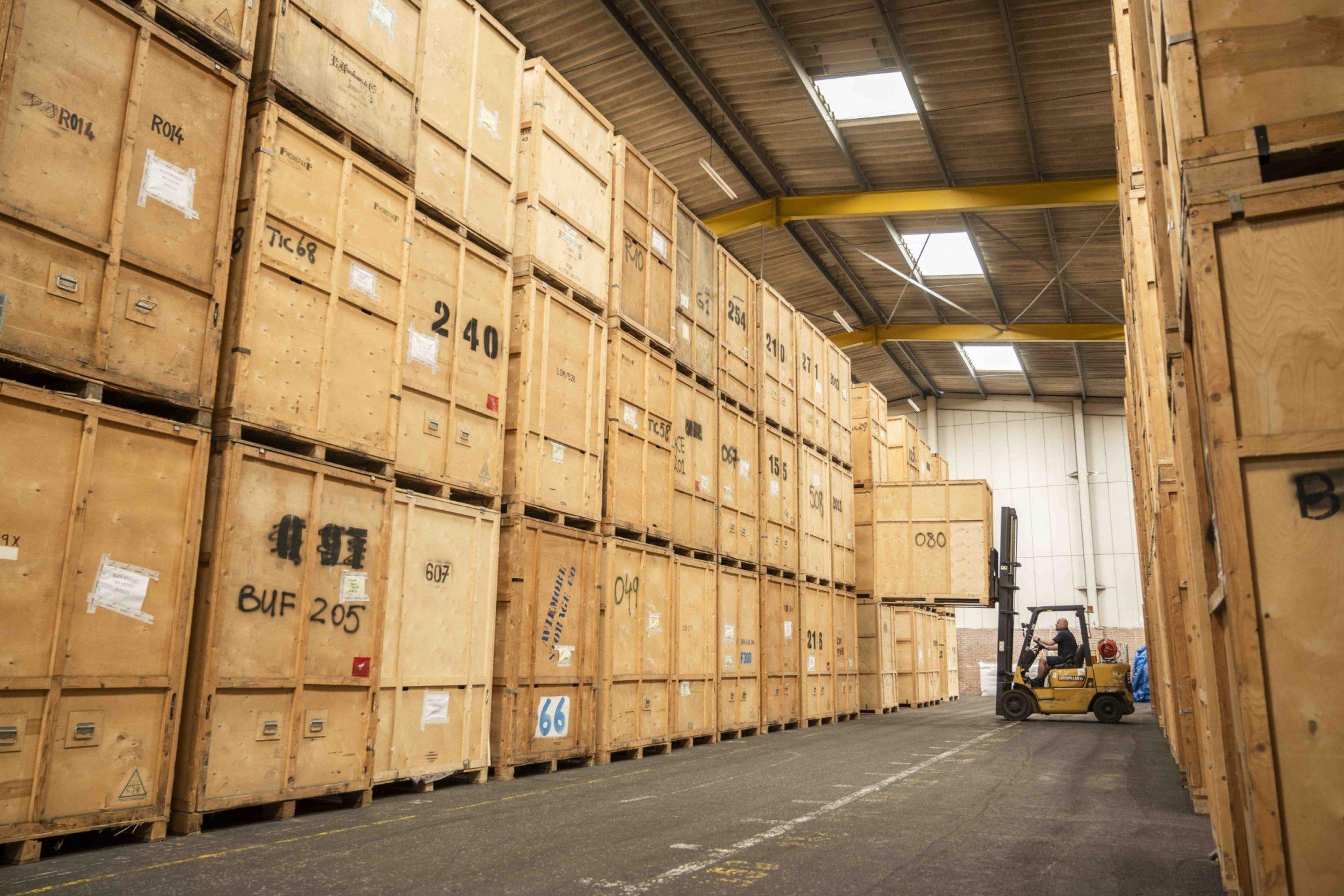
In 2021 Cushman & Wakefield predicted that the UK could run out of warehousing space within a year. As we head into 2024 demand continues to be at an all-time high. As e-commerce continues to surge, supply chains grow more complex, and businesses expand their inventories, the demand for storage facilities has reached unprecedented levels.
In this blog, we will explore the key factors contributing to the scarcity of warehouse storage in the UK and the implications this has for businesses.
The E-commerce Boom
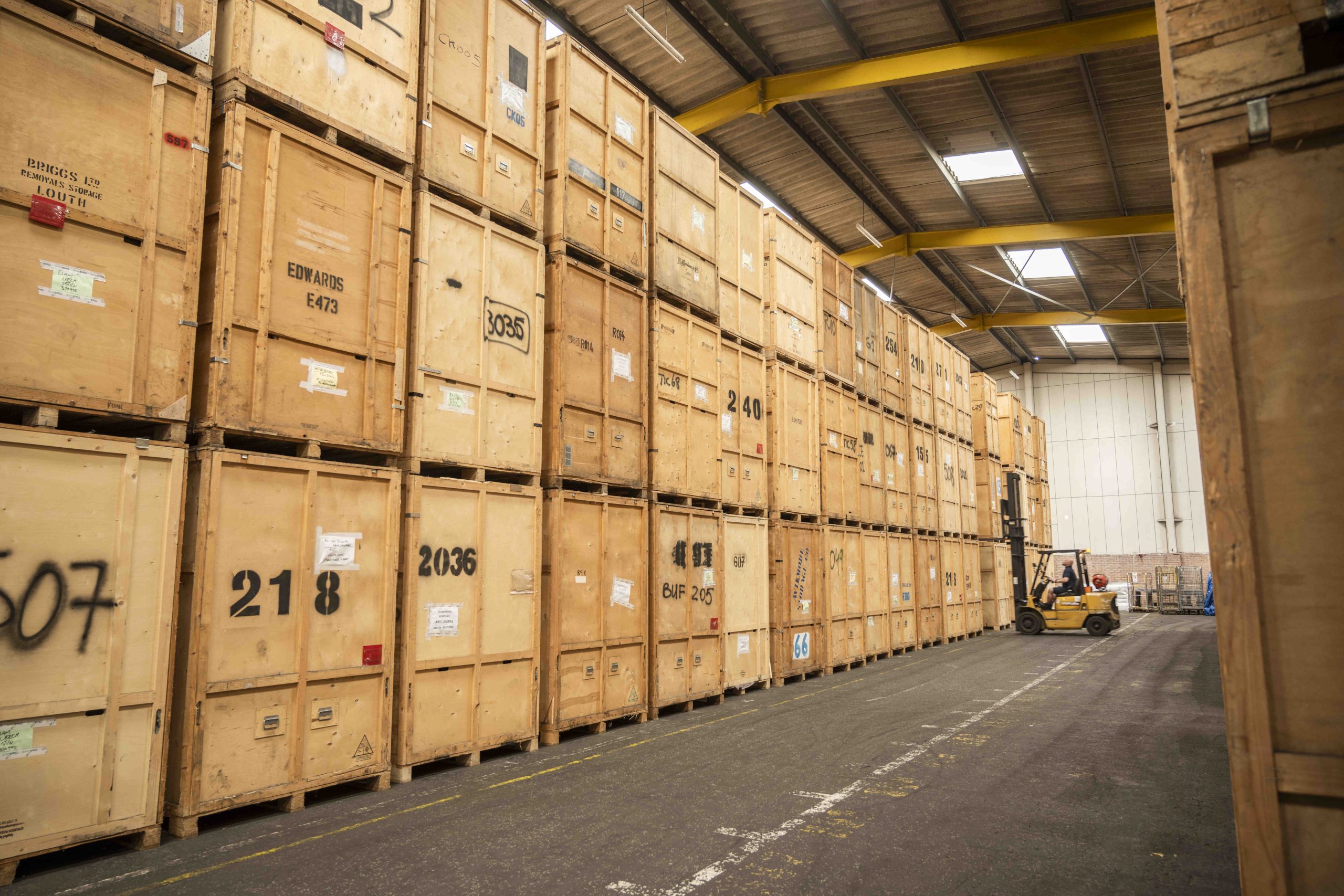
One of the primary drivers of the increased demand for warehouse storage in the UK is the e-commerce boom. Over the past decade, online shopping has become an integral part of consumer culture, and the COVID-19 pandemic further accelerated this trend. As consumers increasingly opt for the convenience of online shopping, businesses have had to scale up their warehousing capabilities to accommodate larger inventories and facilitate efficient order fulfilment. This has led to a surge in demand for warehouse space, particularly in urban areas where the majority of the population resides.
Urbanisation and Land Scarcity
Urbanisation is another factor contributing to the premium on warehouse storage in the UK. Land in urban areas is scarce and expensive, making it challenging for businesses to secure large plots for warehouse construction or expansion. Many older warehouses in city centres have been repurposed for residential or commercial use, further reducing the available storage space. As a result, businesses often have to resort to retrofitting existing buildings or constructing multi-story warehouses to maximise storage capacity within limited footprints.
Brexit and Supply Chain Complexity
Brexit has introduced additional complexities to supply chains. Increased customs and regulatory requirements have necessitated the stockpiling of goods to mitigate potential disruptions. To cope with these challenges, businesses have sought to secure more warehouse storage space to store buffer stocks, increasing competition for available facilities.
Just-In-Time Inventory and Lean Practices
Traditionally, the UK has favoured lean and just-in-time inventory practices to minimise storage costs and maximize efficiency. However, the pandemic exposed the vulnerabilities of this approach, leading many businesses to reconsider their inventory strategies. To reduce the risk of supply chain disruptions, some have chosen to maintain larger safety stocks, further intensifying the demand for warehouse storage.
The premium on warehouse storage in the UK has significant implications for businesses: Increased costs, location constraints, inventory and procurement challenges and issues with scalability. Clockwork Removals and Storage is on hand to help businesses with all of these problems.
With secure storage facilities throughout the UK Clockwork offer procurement and warehousing services without the overheads. Call our team today to find out more.
Back to all news