Will the General Election Impact the Housing Market?
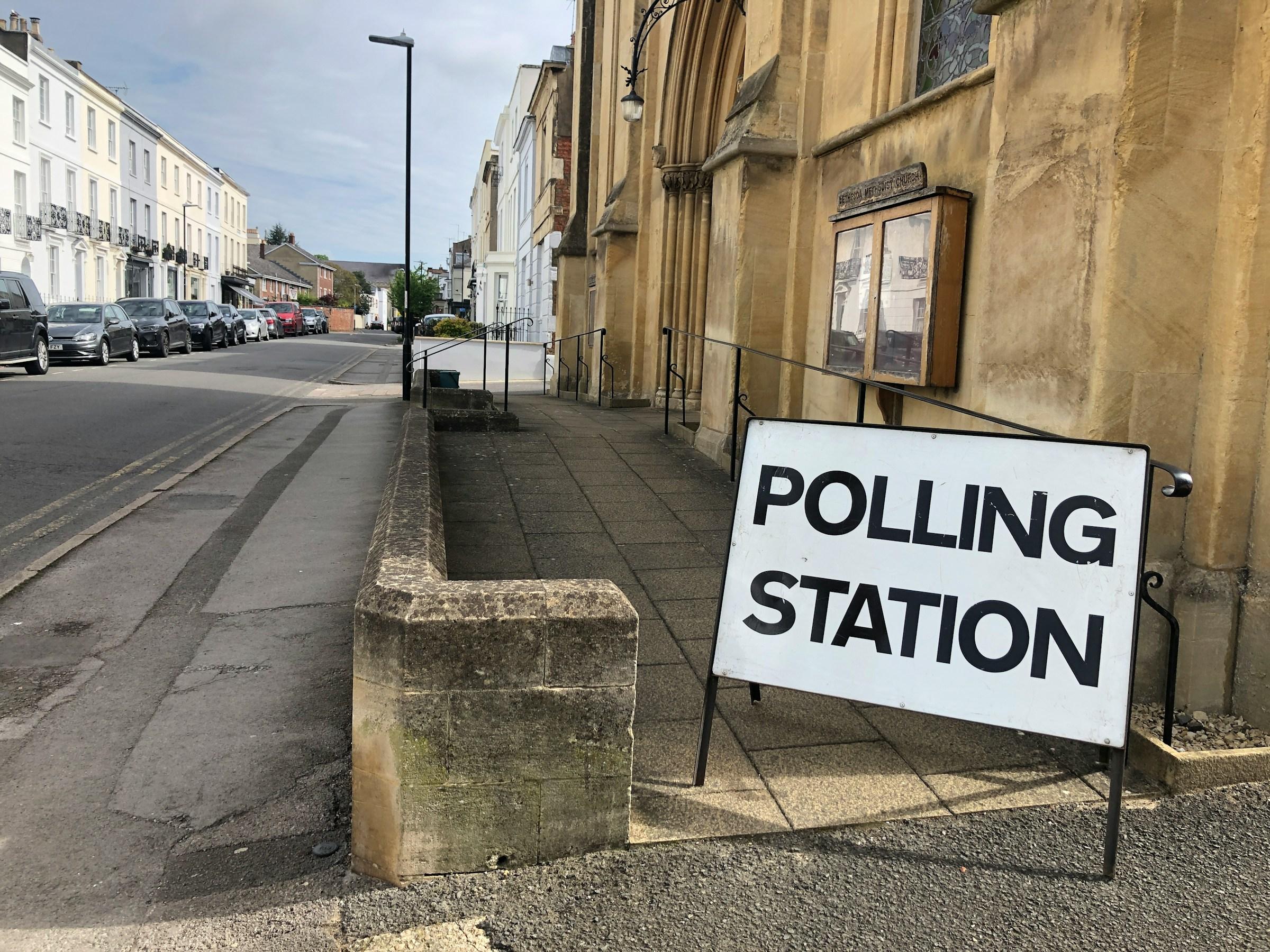
As we gear up for a general election in July, with it comes the predicted speculation and anticipation. But will this have an effect on the housing market? Changes in government, policies, and regulations can have profound effects on everything from property prices to rental markets and housing affordability. So, let’s delve into how the upcoming general election might shape the future of the UK housing market.
Policy Priorities: One of the most significant impacts of a general election is the change in government and, consequently, in policy priorities. Different political parties often have divergent approaches to housing, ranging from strategies to boost homeownership to measures aimed at addressing homelessness and improving rental conditions. With Labour looking to “get Britain building again” and the potential to release some green belt land for housebuilding, their aim is to deliver 1.5 million homes over the next five years. Although this has the potential to change the property market over time, it won’t have a significant short term impact.
Market Confidence: Uncertainty is the bane of markets, and general elections often inject a dose of uncertainty into the housing market. Leading up to polling day, buyers and sellers may adopt a wait-and-see approach, causing a temporary slowdown in transactions but this doesn’t always happen. There are 392,000 homes currently in the UK sales pipeline, and it isn’t thought that buyers already in this process will pull out. It also isn’t expected that this election will have as big an impact on the housing market as previous years. This is due to there not being a huge divide in policy between the two main parties.
Economic Impact: Elections can also have broader economic implications that reverberate through the housing market after the election. Changes in fiscal policy, such as alterations to interest rates or government spending priorities, can influence consumer sentiment, employment levels, and disposable income—all of which play crucial roles in shaping housing demand and affordability in the future.
Regional Variances: It’s essential to recognise that the housing market isn’t a monolithic entity but rather a patchwork of regional markets, each with its own dynamics and challenges. The impact of the general election on housing will vary across different regions, depending on factors such as local economies, housing supply and demand dynamics, and demographic trends.
While elections can trigger short-term fluctuations and uncertainties, their lasting impact on the housing market often unfolds over the long term. Policy decisions made by the incoming government can set the tone for years to come, shaping the trajectory of property prices, housing affordability, and the overall health of the housing market.
If you are on the move before or after the election then give our team a call to book yourself a free home moving survey.