Government signals energy efficiency reforms – what home movers need to know
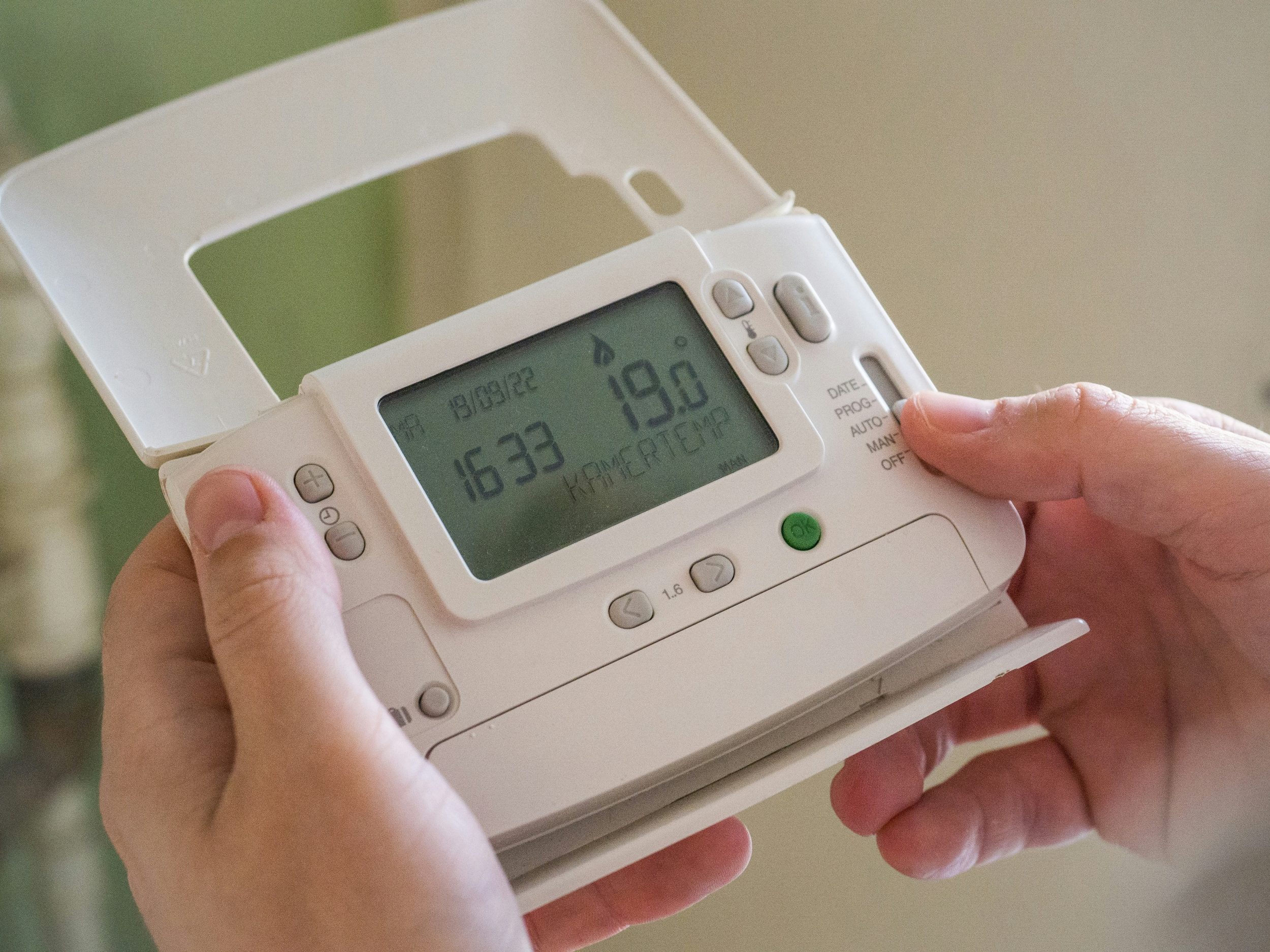
The government has announced two major energy efficiency initiatives that are set to affect millions of homes over the coming years. While much of the discussion has focused on landlords and the private rented sector, these changes are also highly relevant for home movers, whether renting, buying, or selling. Understanding the implications now can help avoid unexpected delays, additional costs, or last-minute surprises during a move. They may also influence the long-term appeal and value of certain properties, as homes with better energy ratings could become more desirable, while less efficient properties may require additional investment, potentially affecting what buyers choose and what sellers can realistically achieve.
Warm Homes Plan: what it means for movers
The Energy Secretary’s Warm Homes Plan aims to improve the energy efficiency of up to five million homes by 2030 and lift around one million households out of fuel poverty. Key elements include a £15 billion programme of upgrades, featuring a £7,500 universal heat pump grant, alongside government-backed loans and incentives for solar panels and other energy-saving improvements.
Although the policy is framed around reducing household energy bills and emissions, it places renewed emphasis on the private rented sector, with landlords expected to ensure properties are warm, safe, and affordable to heat. For people planning a move, this focus on rental properties could have practical consequences. Some landlords may carry out energy improvements between tenancies, which could temporarily make properties unavailable or delay move-in dates. Others might prioritise upgrades for properties with lower energy ratings, meaning movers may need to factor in potential scheduling changes when arranging removals or moving dates. In some cases, renovation work could also require tenants to vacate the property temporarily, increasing the likelihood of short-term storage being needed for belongings while upgrades are completed. This adds an extra logistical and financial consideration for renters navigating tighter moving timelines.
EPC reforms: a new factor in property decisions
Alongside the Warm Homes Plan, the government has confirmed that Energy Performance Certificates (EPCs) will be reformed from 2026. While full legislation is still pending, the proposed changes aim to provide a clearer and more accurate picture of a property’s energy performance, including how ratings are calculated, how information is presented, and how often certificates need updating.
For home movers, EPC ratings are increasingly more than just a compliance measure, they can influence where and when you move. A higher-rated property could mean lower running costs, making it more attractive when budgeting for both your move and future energy bills. Conversely, a lower-rated property may prompt negotiations with landlords or delays while upgrades are planned. Understanding a property’s energy efficiency before moving can help you make informed decisions and avoid unexpected costs.
Planning your move with energy efficiency in mind
Taken together, the Warm Homes Plan and EPC reforms show that energy efficiency is becoming a key consideration for anyone moving home. Movers may find themselves navigating short-term disruptions if landlords schedule upgrades between tenancies, or facing competition for energy-efficient properties as demand rises. Early planning, flexibility with move dates, and careful consideration of EPC ratings can help ensure a smoother relocation.
While these reforms are still evolving, being aware of the changes and factoring energy efficiency into your moving plans can save stress and costs. Whether renting or buying, understanding how energy performance affects the availability, affordability, and appeal of a property will soon be a crucial part of the moving process.
If you are on the move, get in touch with our friendly team for a no hassle, free quotation.
Back to all news