Moving to Japan
Where to Move to in Japan?
We have all been glued to our TVs over the past few weeks watching the Olympics in Tokyo. The games took place over a whopping 42 venues, 27 of which were within the Japanese capital. Due to the weather the football, marathon and race walking were all based in the cooler city of Sapporo on Japan’s northernmost island of Hokkaido.
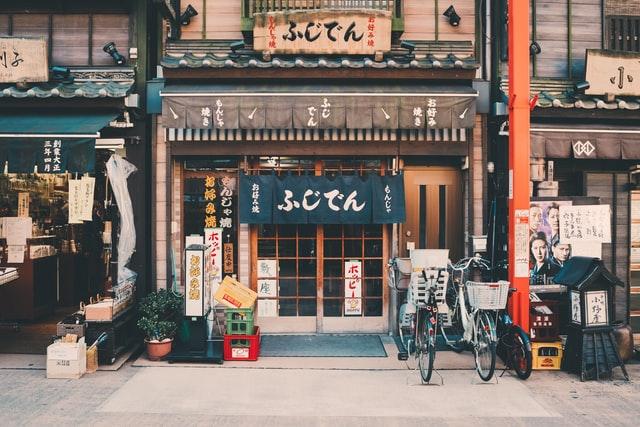
It is impossible not to notice the beautiful cityscapes juxtaposed with the stunning rural geography of this island nation. Maybe not so surprisingly, due its mountainous terrain, approximately 67% of Japan’s land is uninhabitable. The habitable parts are mainly in coastal areas with extremely high populations and thus, Japan is one of the most densely populated countries in the world.
Japan is synonymous with super fast bullet trains, Harajuku and ultramodern technology but it is also known worldwide for its traditional arts including tea ceremonies, calligraphy and picturesque gardens. This got us thinking, if we were moving to Japan where would we choose to live? Take a look at our top three.
Tokyo
Let’s start with Tokyo, probably the coolest capital on earth. Located in East-Central Honshu, the largest of Japan’s main islands, Tokyo is one of the world’s most modern cities in terms of its infrastructure and design. As with most capital cities Tokyo is extremely expensive (in fact it has the highest cost of living in the world!) but it is also one of the of the easiest places to get around thanks to its high tech rail and subway networks. If you love the bright lights and skyscrapers of a truly 24/7 city plus the quirky Harajuku subculture then look no further than this fast paced metropolis.
Sapporo
If you are after a cooler climate away from the more tropical weather of Honshu then head north to the island of Hokkaido and the beautiful city of Sapporo. Home to the first ever winter Olympics held in Asia, Sapporo is the place to be for snow sport enthusiasts! Skiing is a major sport in here and it even forms part of the school curriculum! The city itself boasts lots of beautiful parks including Odori Park, famous for the Lilac festival in May and Maruyama Park with it’s iconic cherry blossom bloom. If you are keen for the great outdoors or have a young family then consider moving to Sapporo.
Kyoto
Steeped in history and culture, Kyoto was once the capital of Japan, located in the Kansai region on the island of Honshu. Kyoto is still considered the cultural capital of Japan and home to many important temples, shrines, palaces and gardens which are listed collectively by UNESCO as a World Heritage Site. The cityscape here is kept in line with the mountains so you won’t find many skyscrapers and most people opt for getting around on bikes rather than high speed trains. If you are after a city with a slower pace of life, packed with culture and spirituality then Kyoto is truly the place for you.
If you are moving to Japan get in touch with our International Service Centre today on 0800 328 4166 for a free quotation.
Back to all news