Moving Abroad: Your Guide to Air Freight
Moving Abroad
The allure of packing up and moving abroad has never been greater than it is right now. Although the magnetic pull of a better life overseas may have you rushing to start the next chapter of your life, it is important to take the time to plan properly and consider what is available to you when planning your relocation.
It is useful to know that there are a number of different options for getting your possessions from A to B when moving internationally. The main transit options include road, sea and air, or a combination of two or three of these. The destination itself will usually narrow down these options, simply by where in the world it is situated and the local infrastructure.
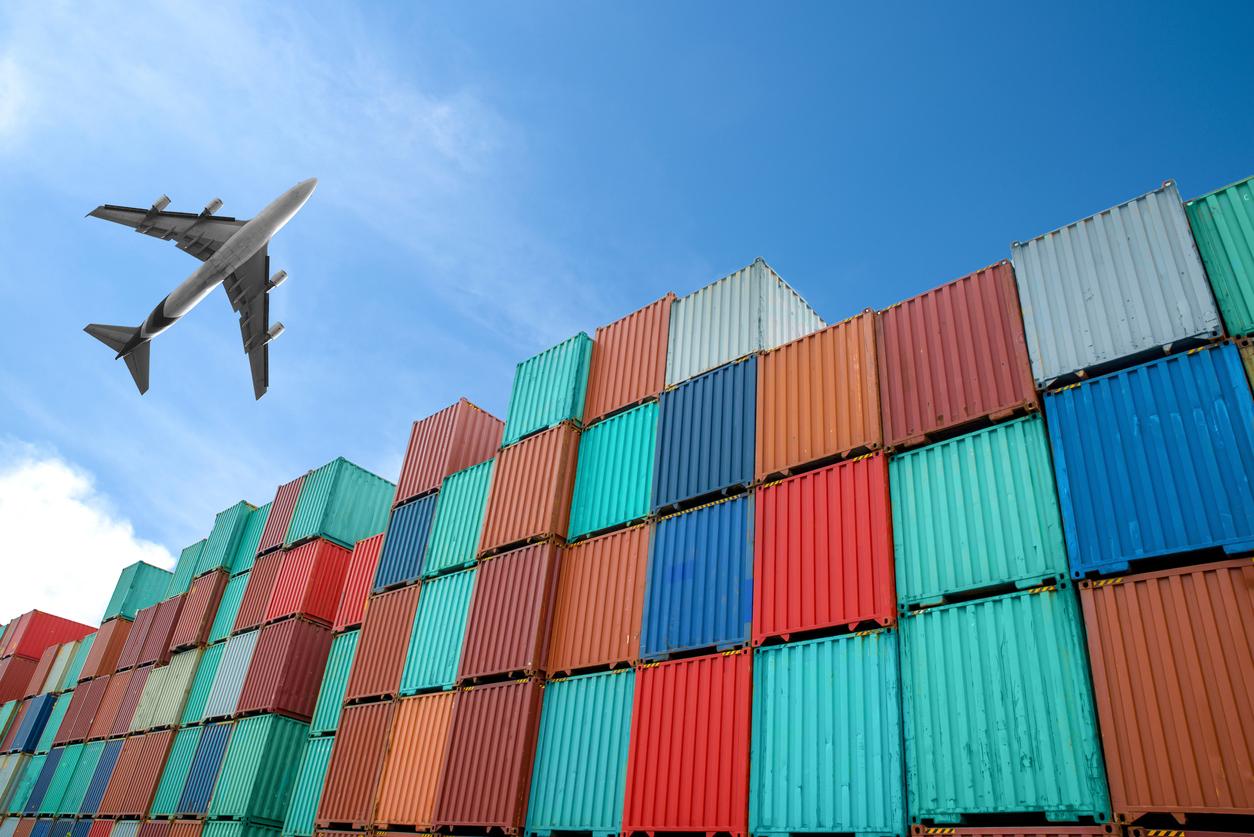
Whilst we offer each option and they have their pros and cons, this guide serves to give you a better understanding of using air freight to ship your home contents when moving abroad.
Air freight is by far the fastest way to ship your possessions when moving to the far flung corners of the globe, taking approximately 5-7 days from being collected at your UK home to delivery at your new home abroad (providing it is not selected for examination).
You do, however, pay for this privilege, with air freight commanding a higher price than sea freight.
International Removal Services
It is advisable to check with your relocation company what is included in the different services they offer in order to manage your expectations.
At Clockwork Removals and Storage, we offer export packing and full door-to-door services (including customs clearance) and can cater for any short-term or long-term storage needs throughout the removals process.
If you prefer to collect your shipment at the port of arrival, rather than having it delivered straight to your door, this can be arranged. However, keep in mind that it will still need to be cleared through customs on arrival. This can be arranged by your removals company or handled separately with a customs broker.
Customs documents and forms required
The forms required for importing and exporting your possessions will vary from country to country and can be updated and changed at any time. With this in mind make sure you fully research the forms and documentation required and if you are using a removals company they will have all of this up to date information and can help you fill them out. Documentation required can include; customs declaration, airway bill, insurance details and packing lists.
It is also worth noting that each country has separate restrictions on goods including organic items such as fur and coral etc. These restrictions can also be changed or updated at any time so make sure you check the up to date customs restrictions of your destination country or check with your International Move Manager.
Containerising the shipment
If you are using a reputable international mover your goods will be securely packed into cardboard cases on a pallet called Tri-Wall Cartons or LDN cases. This will make sure they are as safe as possible during transit. Most international removers will offer full export packing services too where your goods are wrapped using the correct materials for international moves.
How airlines calculate the charges
Airlines calculate their individual air freight charges by either volumetric kilos or weight in kilos, whichever is greater. Air freight charges can be high so if you are on a budget make sure you have had a good declutter before you pack and are only taking what you need.
Security
Your goods will go through security at the airport before going on the plane, they are weighed, measured and x-rayed. Your shipment will need to be accompanied by a full inventory and a copy of your passport. Make sure you are aware of any items that are prohibited on air freight. Remember this may be open to change at any time.
Insurance
Insurance is not required for air freight but it is always advised. Reputable international movers will offer full marine transit insurance which covers both air and sea freight. Although the utmost is done in the packing process to ensure your goods are well protected it is always highly recommended to take out full insurance when moving your possessions overseas.
Wherever you are thinking of moving to our International Removals Team are on hand to guide you through the process. Call our International team today.
Share on:
Related Help & Advice




















)