UK Property Market Trends: What Homebuyers Should Expect This Summer
UK Property Market Trends: What Homebuyers Should Expect This Summer
The UK property market in 2026 finally feels less like a rollercoaster. After years of sharp rises and uncertainty around borrowing costs the mood this year is noticeably calmer but that stability is now sitting alongside a more complex global and financial backdrop. The market is no longer a straightforward race, it is increasingly a balance between lifestyle ambition and financial reality.
A shift towards homes you actually want to live in
One of the most noticeable changes in buyer behaviour is how people are prioritising liveability. Instead of focusing purely on square footage or postcodes, buyers are paying closer attention to how a home feels day to day.
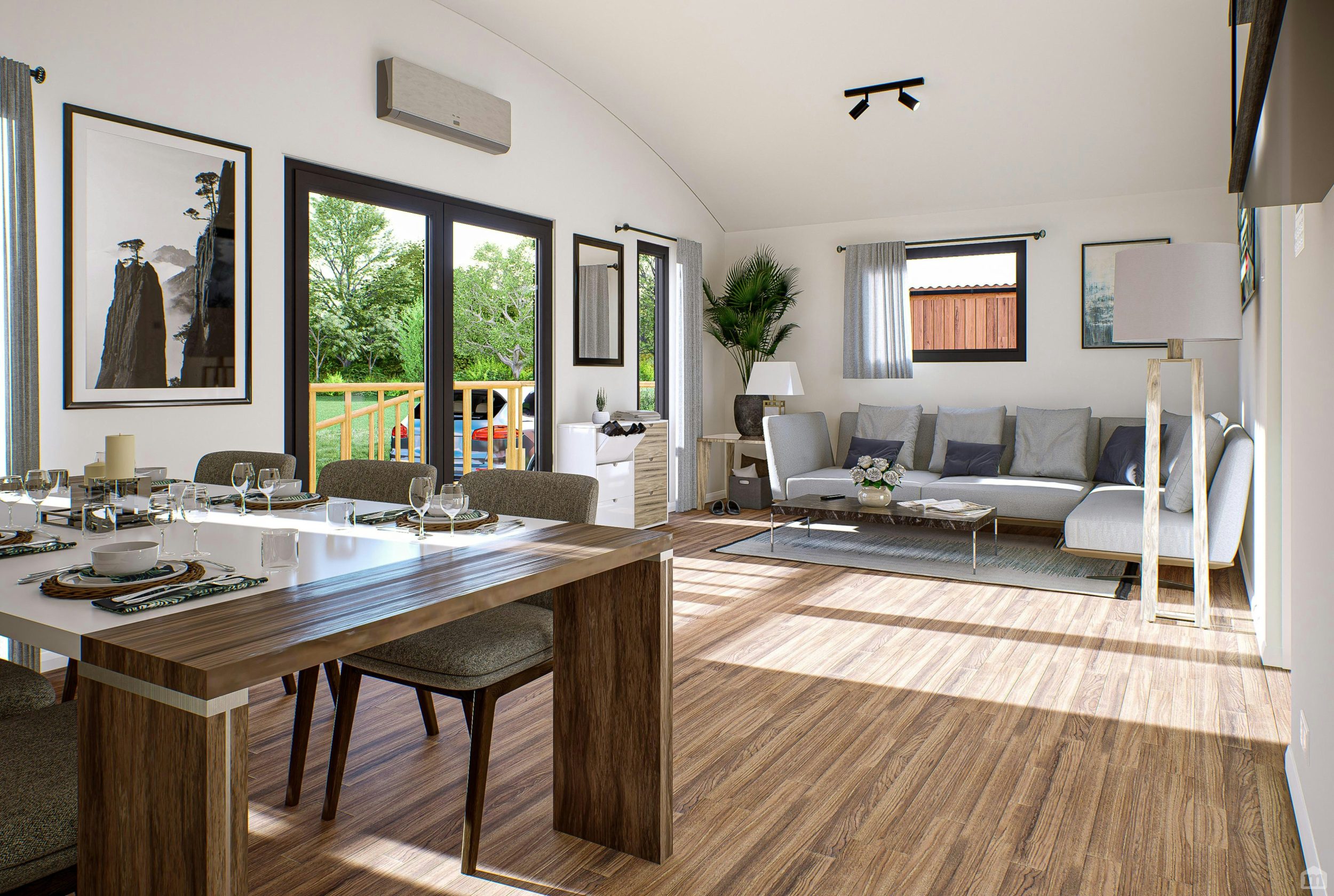
Natural light, open-plan kitchen spaces and well-designed bathrooms are often making the difference between a property that gets shortlisted and one that gets ignored. A large, calm bathroom with good lighting and storage can now be just as appealing as an extra bedroom.
Outdoor space has also become a major factor. Even a small garden, balcony or terrace is now seen as an extension of living space rather than a bonus feature. In urban areas like London, a usable outdoor corner can significantly increase a property’s desirability, particularly for buyers working from home part of the week.

While headline price growth across parts of the UK has stabilised compared to previous years, the picture is more nuanced when you look at borrowing conditions.
In 2026, mortgage affordability remains one of the biggest constraints on mobility. Recent volatility in global markets, ongoing geopolitical uncertainty in regions such as the Middle East and sustained pressure on energy and heating costs have all contributed to inflationary concerns. In response, lenders have adjusted pricing and there has been a noticeable increase in mortgage rates compared with earlier expectations for this year.

Location and lifestyle matter
Commuter towns with good rail links, green spaces and larger properties are continuing to attract attention. In many cases buyers are choosing a bit more distance from the city in exchange for a bigger kitchen, a private garden or a home office space.
Even within cities, micro-locations are becoming more important. A quiet street near a park or canal can outweigh being in a traditionally “trendy” area without green space or privacy.
London and other major cities remain highly desirable, but the definition of “desirable” is evolving. Buyers are no longer just chasing central postcodes they’re looking at how an area works with their day-to-day life.
Financing a home is still a key consideration in 2026 and borrowing costs remain an important factor in monthly budgeting. However, buyers are increasingly viewing affordability alongside lifestyle value rather than letting it dominate the entire decision.
Overall, the 2026 property market is less about urgency and more about alignment. It’s a market where buyers can take a step back and think carefully about what they actually want from a home.
If you are ready to make the move, get in touch with your local team at Clockwork Removals and Storage for a free quotation.
Back to all news