UK Home Moving Trends 2025
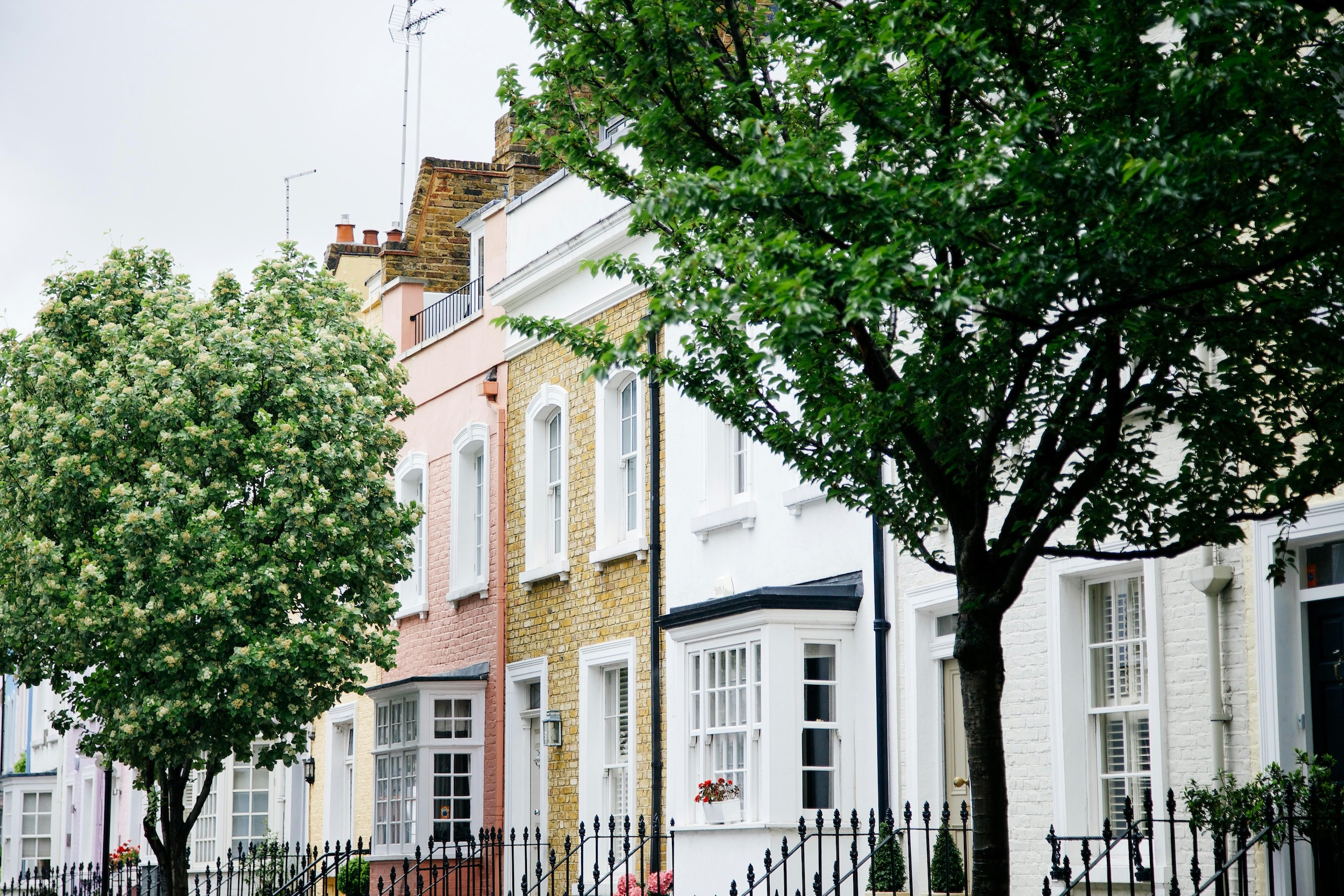
Recent research reveals a significant shift in UK relocation trends, with growing numbers of people moving house far beyond their local areas. Almost half of homebuyers are now crossing local authority boundaries when purchasing their next property, and in some cases the distances are substantial. Moves to Cornwall, for example, average 159 miles from the previous home — a clear sign that lifestyle factors and location priorities are outweighing the desire to stay local.
The South East is a Key Destination
When you look at wider UK moving patterns using data from the Office for National Statistics, one thing stands out: the South East housing market remains a prime destination for those moving from London and other urban centres. Buyers are attracted by the promise of more space, better schools, and a lifestyle that balances rural charm with quick access to the capital. Over the last decade, London has seen a steady outflow of residents in their 30s and 40s, often families trading in smaller city flats for suburban or semi-rural houses. At the same time, the capital continues to draw younger movers in their 20s, who relocate for work opportunities and the vibrant social scene. This ebb and flow of people between London and the South East highlights just how much life stage influences home moving decisions.
Growing Trend of Northward Relocation in the UK
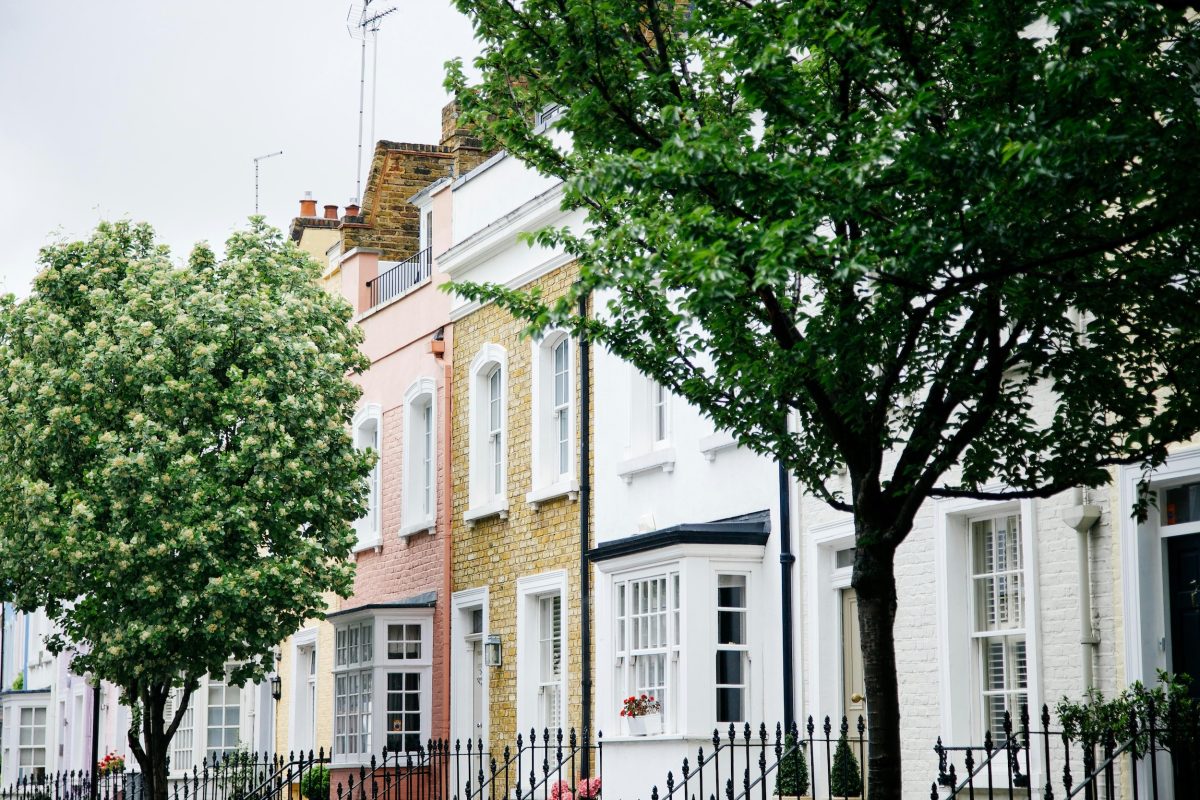
Another notable UK home moving trend is the shift towards the Midlands and the North. Increasing property prices in the South, combined with the search for a higher quality of life, are prompting more buyers to move north. This isn’t purely a financial decision; many movers are drawn by thriving cultural scenes, proximity to green spaces, and communities where people feel more connected. Hybrid and remote working patterns have removed the need for some professionals to remain tied to London offices, making long-distance relocation both viable and appealing.
In recent years, Leeds has been a leading destination, with neighbourhoods such as Horsforth and Roundhay offering a strong community feel, good schools, and quick access to the city centre. Sheffield continues to attract movers with areas like Ecclesall, where residents enjoy leafy streets, independent shops, and easy routes into the Peak District. Nearby, Harrogate has become a sought-after choice for those wanting a blend of historic charm, spa-town elegance, and excellent connectivity to both Leeds and York. North of the border, Edinburgh draws movers to districts like Morningside and Stockbridge, known for their character properties and village-like atmosphere within a capital city. Glasgow, meanwhile, offers appealing suburbs such as Bearsden and Shawlands, combining vibrant local culture with access to parks and commuter routes. Together, these locations reflect why more southerners are choosing to relocate north: they offer a compelling mix of affordability, lifestyle quality, and distinctive local character.

Suburban Appeal in Cities Like Leeds
Within many major UK cities, one of the strongest home moving trends is the growing appeal of suburban living. Leeds is a prime example. Increasing numbers of millennials and young families are moving out of the bustling city centre into surrounding suburbs such as Pudsey, Chapel Allerton, and Burley. These areas offer more space, gardens, and better value for money, while still keeping residents within a short commute of central Leeds. They also have vibrant local high streets with independent cafés, restaurants, and community events, giving them an identity beyond simply being commuter zones.
This pattern is mirrored in other parts of the UK. In Glasgow, suburbs like Giffnock and Bearsden have surged in popularity, with residents attracted to their mix of traditional tenement flats and family houses, strong school catchment areas, and thriving café and dining scenes. Meanwhile, in Sheffield, areas such as Ecclesall and Crookes are drawing movers who want access to the Peak District’s countryside while staying close to the city’s universities, independent shops, and music venues. Across these cities, the shift reflects a broader lifestyle choice: many people want the cultural and employment benefits of urban life, but with the space, greenery, and sense of community that suburban living provides.
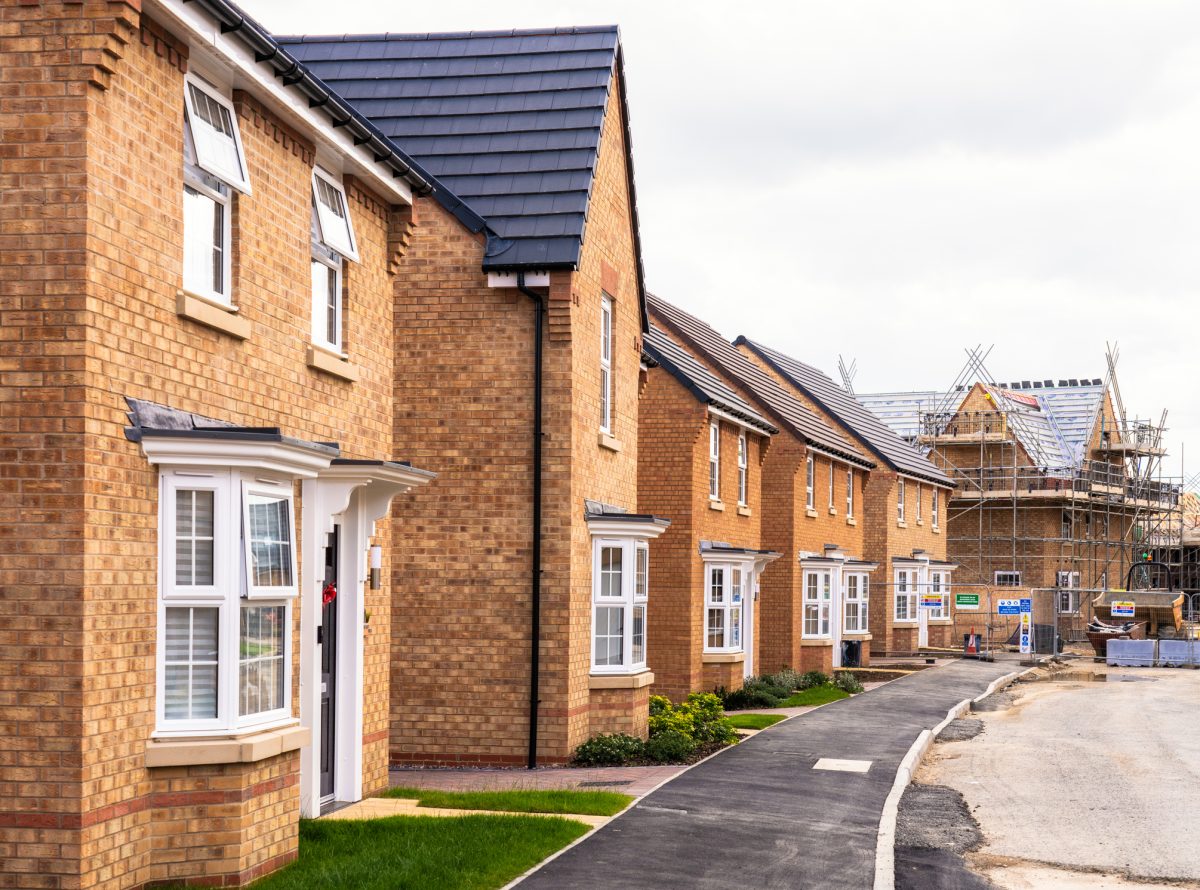
Together, these trends show that the UK property market is increasingly shaped by mobility, lifestyle aspirations, and the search for value. Buyers are willing to move across regions, from cities to suburbs, and from the South to the North, if it means achieving the right balance of affordability, space, and community.
Whether it’s families moving from London to the South East, professionals relocating north for a better quality of life, or city dwellers seeking the benefits of suburban living our teams are on hand to help with your moving journey.
Back to all news