Find your local clockwork
 

Case Study: Syria Relief
Case Study: Syria Relief

Shipment from North London

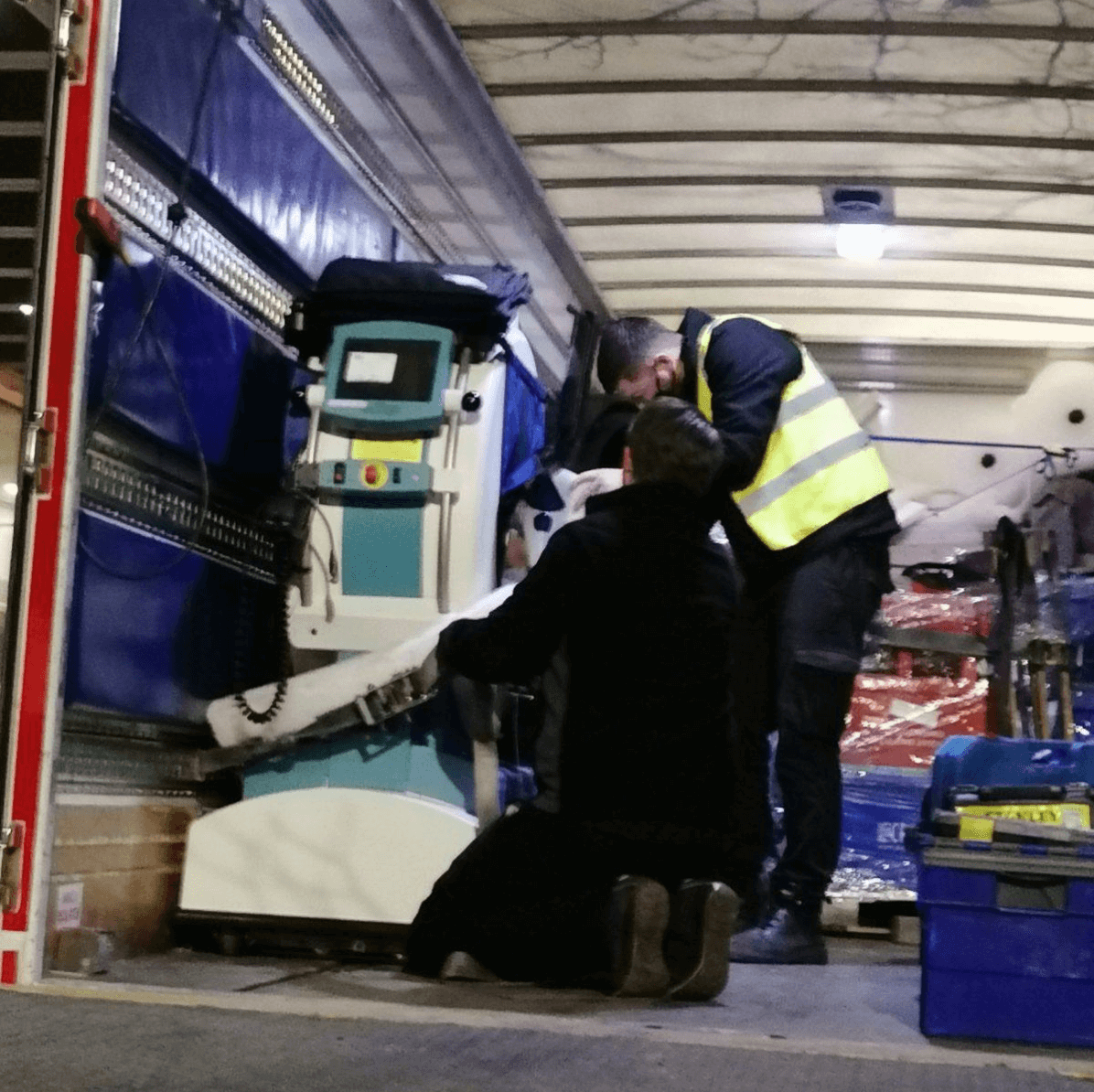
The charity Syria Relief have developed a Medical Aid Programme running 10 hospitals and healthcare centres across the north of Syria. They recently got in touch with our North London branch to request help with the removal of a portable CT Scanner for shipment to Syria.

The equipment had to be carefully packed, wrapped and moved from The Royal London Hospital in Whitechapel into a 200ft shipping container. Our highly trained crews got to work in the very early hours to avoid any disruption to the daily routine of the hospital and to avoid our vehicles blocking their busy car park.

The 438kg machine was carefully packed up and was securely moved into the shipping container for the careful shipment to one of the charity’s hospitals.

The Clockwork team were delighted to have been able to support such an important organisation.

For more information on our experience and expertise in hospital relocation and removals please get in touch today on 03332 413 120

accredition-image accredition-image accredition-image accredition-image accredition-image accredition-image accredition-image accredition-image accredition-image accredition-image accredition-image accredition-image accredition-image accredition-image accredition-image accredition-image accredition-image accredition-image accredition-image accredition-image accredition-image accredition-image accredition-image accredition-image accredition-image
Find your Local Clockwork
This website uses cookies
This site uses cookies to enhance your browsing experience. We use necessary cookies to make sure that our website works. We’d also like to set analytics cookies that help us make improvements by measuring how you use the site. By clicking “Allow All”, you agree to the storing of cookies on your device to enhance site navigation, analyse site usage, and assist in our marketing efforts.
Customise
These cookies are required for basic functionalities such as accessing secure areas of the website, remembering previous actions and facilitating the proper display of the website. Necessary cookies are often exempt from requiring user consent as they do not collect personal data and are crucial for the website to perform its core functions.
A “preferences” cookie is used to remember user preferences and settings on a website. These cookies enhance the user experience by allowing the website to remember choices such as language preferences, font size, layout customization, and other similar settings. Preference cookies are not strictly necessary for the basic functioning of the website but contribute to a more personalised and convenient browsing experience for users.
A “statistics” cookie typically refers to cookies that are used to collect anonymous data about how visitors interact with a website. These cookies help website owners understand how users navigate their site, which pages are most frequently visited, how long users spend on each page, and similar metrics. The data collected by statistics cookies is aggregated and anonymized, meaning it does not contain personally identifiable information (PII).
Marketing cookies are used to track user behaviour across websites, allowing advertisers to deliver targeted advertisements based on the user’s interests and preferences. These cookies collect data such as browsing history and interactions with ads to create user profiles. While essential for effective online advertising, obtaining user consent is crucial to comply with privacy regulations.