What Can’t Go In Storage?
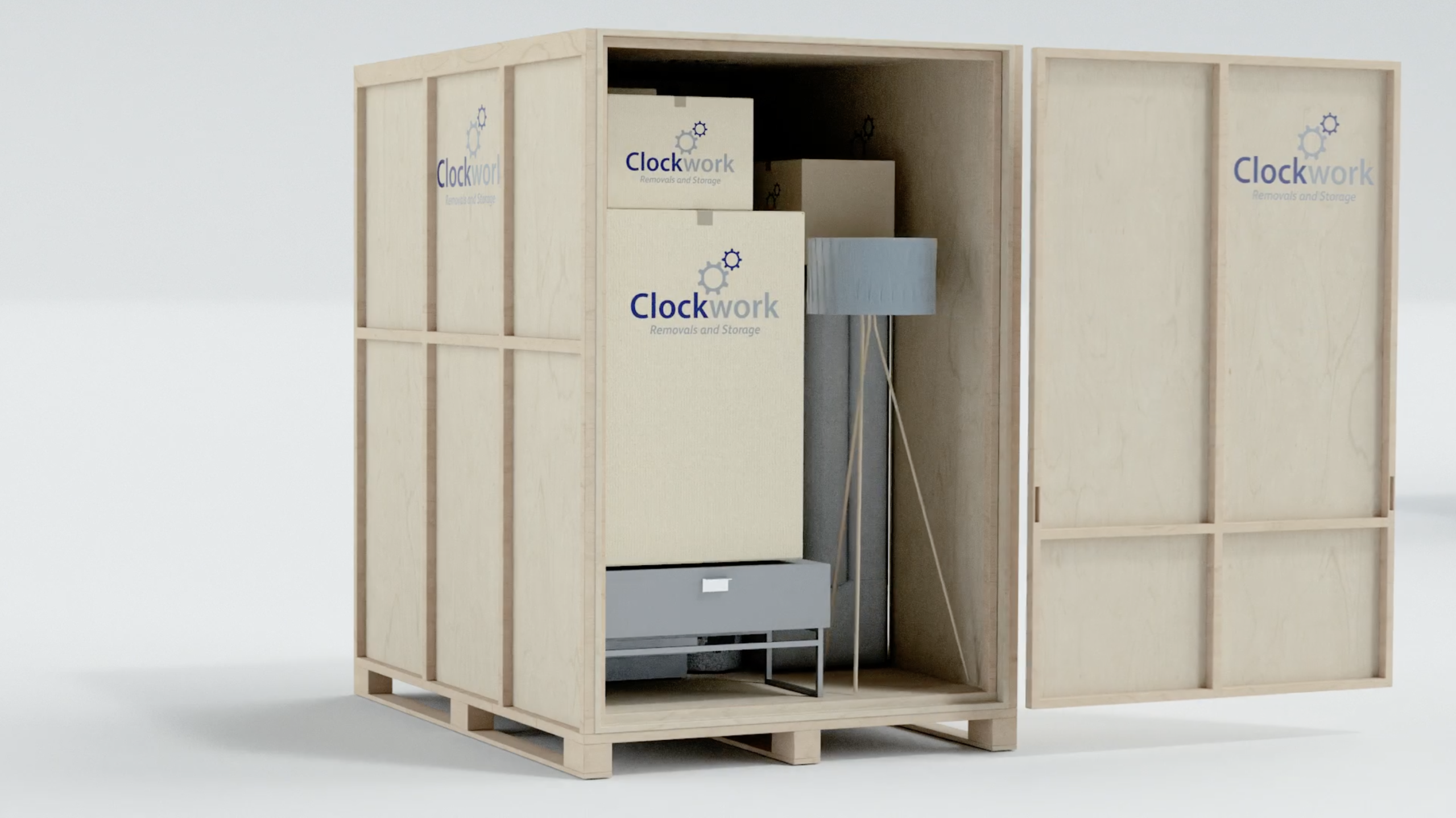
Storage is an extremely useful service that can be called upon in a variety of circumstances. From commercial storage that is used to keep equipment safe during an office move to household storage to look after your items during a home renovation and in between moves, thousands of people across the country use storage services every year.
However, before you book a storage unit, it’s important to understand what can and cannot go inside. Placing prohibited items in storage can have severe consequences, from hefty fines to legal action.
At Clockwork Removals and Storage, we offer a wide range of short and long-term storage solutions to customers nationwide, and in this article, we’ll take a closer look at what can’t go in a storage unit as well as the items that are accepted.
What can’t go in storage?
While some of the things on the list below may seem like common sense, it’s important to clarify the items that you must never put into a storage unit.
These include:
Chemicals
The hazardous nature of chemicals makes it fairly obvious why they shouldn’t be kept in storage. However, there are many common domestic items that you may not think of as chemicals, but still shouldn’t be kept in storage:
- Paint
- Garden fertilisers
- Cleaning products (such as bleach)
- Solvents (like nail polish remover)
Flammable or explosive substances
Any substances that could be flammable or explosive must never be placed in storage. These include:
- Fuels, like petrol or diesel (including machinery that contains fuel)
- Oil
- Fireworks
- Kerosene
- Weaponary
If you have lawnmowers or similar machines that contain flammable substances, they must be drained before being placed into storage.
Living things
All living things need oxygen to survive, so being locked up in a storage unit is never appropriate. As well as pets like dogs, cats and rabbits, this rule extends to plants. In addition to the fact that plants will likely not survive long in a storage unit, they can also attract insects and pests, which will create an unpleasant environment within the facility.
Perishables
Any food or perishable items should not be kept in a storage unit. This is because they can rot or become mouldy over time, encouraging bacteria and creating an unpleasant and even potentially hazardous environment. So, even if you’re having kitchen renovations, you should not consider placing food inside a storage unit.
Scented or wet items
Typically, scented items are not allowed in storage units because they can emit a strong odour. Likewise, wet items, such as damp clothing or laundry, should not be placed in storage as they can cause mould, which may damage the facilities.
What can you put in storage?
Pretty much everything else!
Storage units are an incredibly versatile solution, and other than what we’ve already listed, you can store almost anything inside them. Some of the most common things people put in storage include:
- Furniture
- Books
- Clothes (inside sealed boxes or vacuum packed are best)
- Pots and pans
- White goods
- Seasonal items (like Christmas trees and decorations)
If you’re unsure of whether you can put something in storage, chat to our friendly team here at Clockwork Removals and Storage, we’ll always be happy to advise.
Whether you need storage for a short time or as a long-term solution, we can provide you with fully insured, safe and secure units that are CCTV monitored for your peace of mind. With facilities across the UK, simply get in touch with Clockwork Removals and Storage today to find out more.
Back to all news