Understanding Permitted Development: What You Need to Know
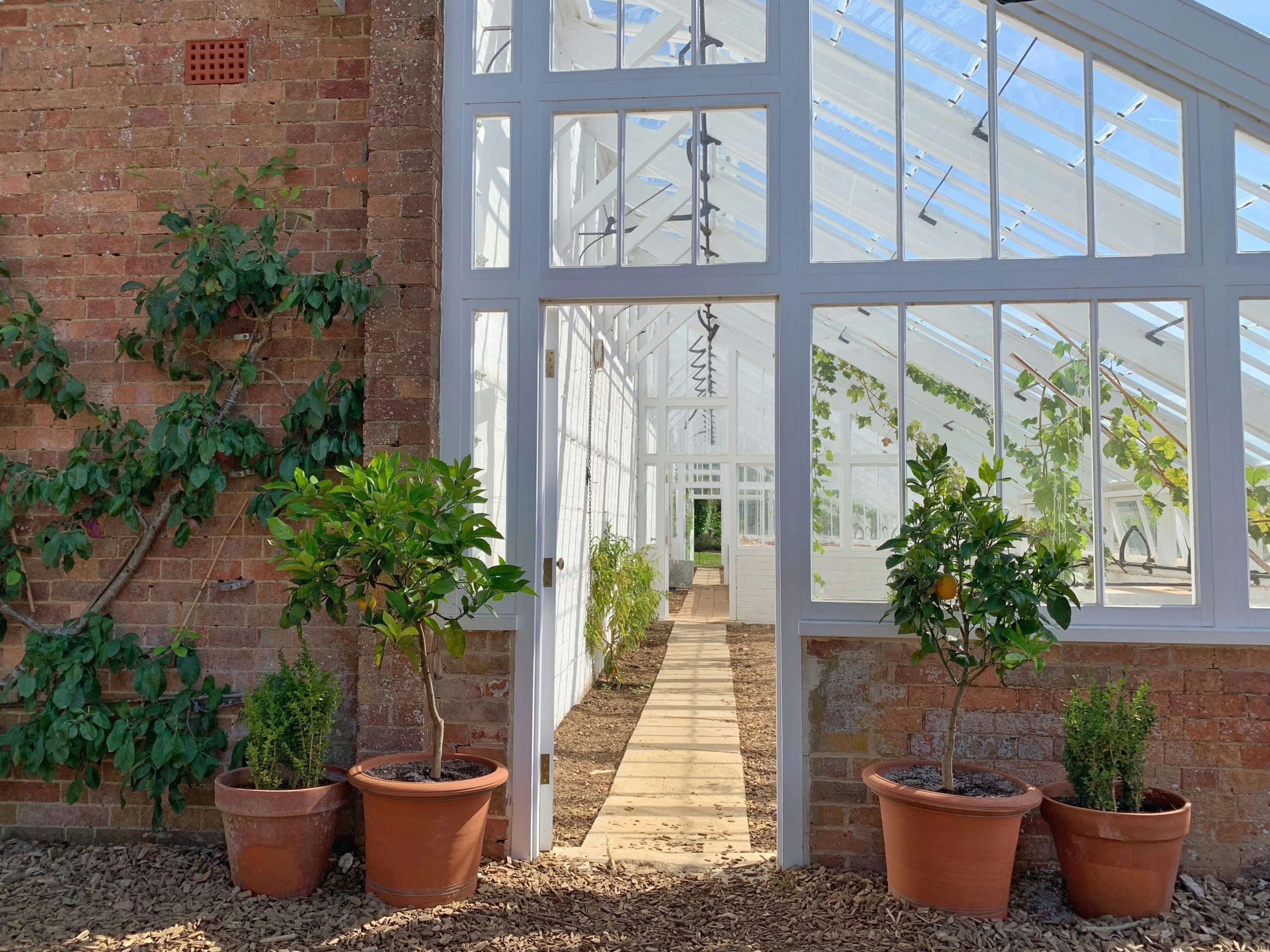
Permitted Development Rights allow homeowners and developers to make small scale alterations without planning permission. Renovations in your home are covered by permitted development and this streamlined process can save time and money. If you are thinking of doing a renovation project but don’t want the stresses of planning permission then check out this blog. We will highlight the projects that will allow you to skip the planning process.
What Are Permitted Development Rights?
Permitted Development Rights are a set of national policies that grant automatic planning permission for certain types of building works and changes of use. Permitted Development aims to simplify the planning process for minor developments and modifications that are unlikely to negatively impact the surrounding area. However, these rights are subject to limitations and conditions to ensure that the developments are appropriate and in keeping with the local environment.
Renovations Covered by Permitted Development
Home Extensions
- Single-Storey Rear Extensions: You can extend your home from the rear wall by up to 8 metres for detached houses and 6 metres for all other houses. The height cannot exceed 4 metres.
- Double-Storey Rear Extensions: These are limited to extending no more than 3 metres from the rear wall, and the extension’s eaves and ridge height must not be higher than the existing house.
- Side Extensions: You can build a single-storey side extension up to 4 metres in height and half the width of the original house.
- You will need planning permission if your extension covers more than 50% of the land surrounding your house.
Loft Conversions
- An additional roof space volume of up to 40 cubic metres for terraced houses and 50 cubic metres for detached and semi-detached houses.
- No extension beyond the plane of the existing roof slope of the principal elevation that fronts the highway.
- Materials used should be similar in appearance to the existing house.
- You will still need to meet building regulations and you may require a party wall agreement.
Outbuildings
Outbuildings such as sheds, garages, and garden offices are permitted if:
- They do not cover more than 50% of the total area around the house.
- They are single-storey with a maximum eaves height of 2.5 metres and a maximum overall height of 4 metres for dual-pitched roofs or 3 metres for other roofs.
- They are not located forward of the principal elevation of the house.
Porches
You can add a porch to the front of your house without planning permission if:
- The ground area covered by the porch does not exceed 3 square metres.
- No part of the porch is higher than 3 metres.
- The porch is at least 2 metres away from any boundary with a highway.
While Permitted Development offers significant flexibility, several conditions and restrictions apply; such as listed properties and those situated within a conservation area. Even if your project falls under PD, it must still comply with Building Regulations, which ensure safety and energy efficiency standards. Before you start any project always check with your local planning authority.
If you need long term or short term storage for your renovation project give your local Clockwork team a call on 0800 195 8671.
Back to all news