How to Reduce Stress When Moving House

Moving house marks a new chapter in your life.
And whether you’re buying your first home, moving in with a partner or downsizing for retirement, it’s always an exciting time with countless possibilities.
However, it can also be an incredibly stressful time.
In fact, statistics show that almost half of movers experience some kind of stress during this period including enhanced anxiety, sleep deprivation or arguing with partners or family members.
While this type of stress is expected, it can put a lot of pressure on people. In this article, we’ll outline our tips on how to reduce stress when moving house.
Give yourself plenty of time
At the earliest possible opportunity, you should start the process of packing. While completion timelines are likely to vary, if possible give yourself at least a month. Starting early will give you the chance to declutter your home and decide what items you’ll be taking with you.
Plus, you’re less likely to tire yourself out by rushing through the packing process at the last minute as this runs the risk of increasing stress levels and accidentally leaving stuff behind.
Label boxes
Staying with packing, and a great way to help reduce stress is to make sure you pack one room at a time and label boxes accordingly. This means that by the time you get to unpacking in your new home, it’ll be clear which box is which and it’ll make the process easier to manage.
Start by focusing your packing on non-essential items, building up to the bigger stuff ahead of moving day.
Create an important document box
Throughout the moving process, you will need to provide a whole host of important documents at various stages.
This will include:
- Proof of identity – such as a passport or driving licence
- Proof of address – such as utility bills, council tax bills and bank statements
- Proof of funds – such as your mortgage offer and deposit evidence
There will also be other paperwork like house deeds and insurance documents along the way. It’s important you have these documents to hand when necessary, and so keeping them all in one safe place, such as a designated document box or folder, is a great way to keep everything in order and to ensure nothing is misplaced.
Ask for help
Moving house can be all-consuming and it’s a lot to take on by yourself. With this in mind, it’s always worth utilising friends and family members to help you sort through your belongings, assist with any cleaning and provide some emotional support.
Don’t be afraid to ask for help or accept offers of assistance, you can always repay the favour in the future!
Use a professional removal company
While you may want to handle everything yourself, moving house is a huge undertaking and the best way to minimise stress is to leave it to the professionals.
Removal companies can make moving day run seamlessly, and can efficiently pack your items as well as safely transport furniture. Having the support of a dedicated removal company is perhaps the best way to reduce your moving stress, helping you to focus on the excitement of your new home.
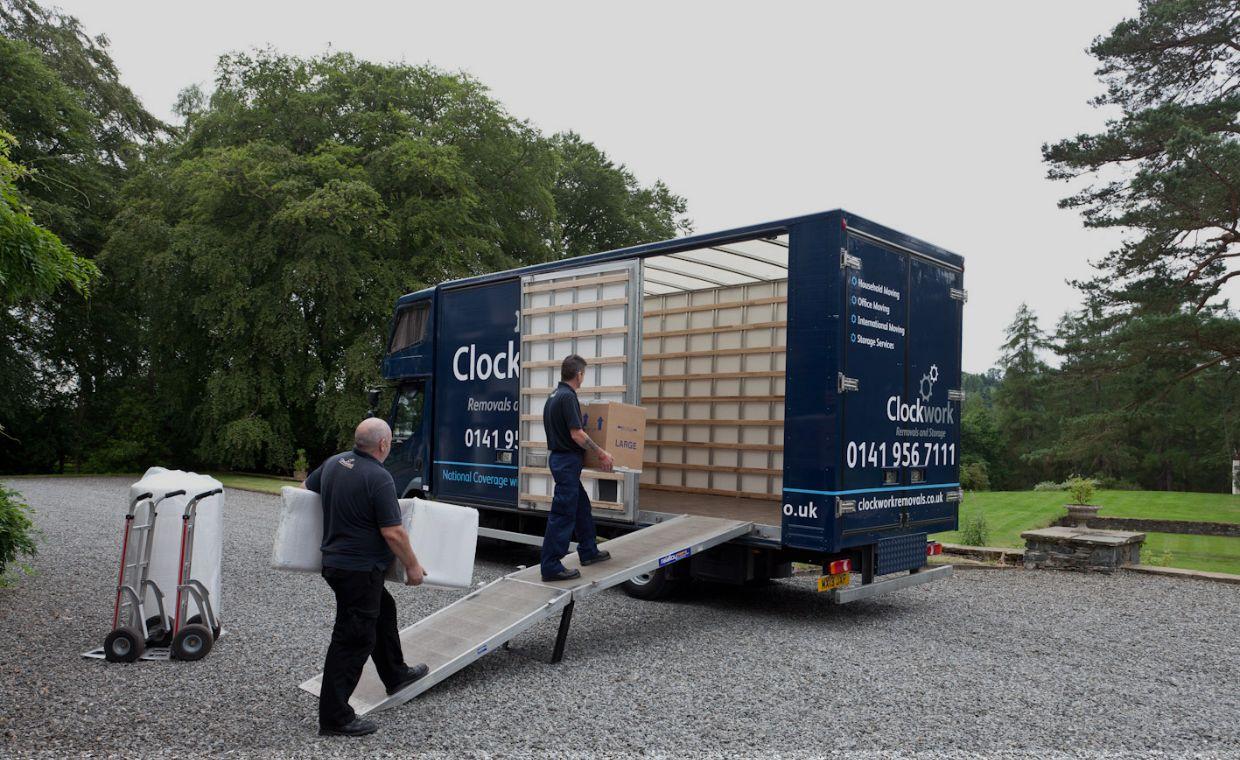
At Clockwork Removals and Storage, we’ve spent more than 25 years helping customers across the UK make the process of moving home or business as easy as possible. Our leading removal services can be tailored specifically to your needs and help to reduce stress while giving you peace of mind that your furniture and belongings are in the very best hands. To find out more about our services and how we can help with your next move, get in touch with our team today.
Back to all news