Moving House in London - Everything You Need to Know
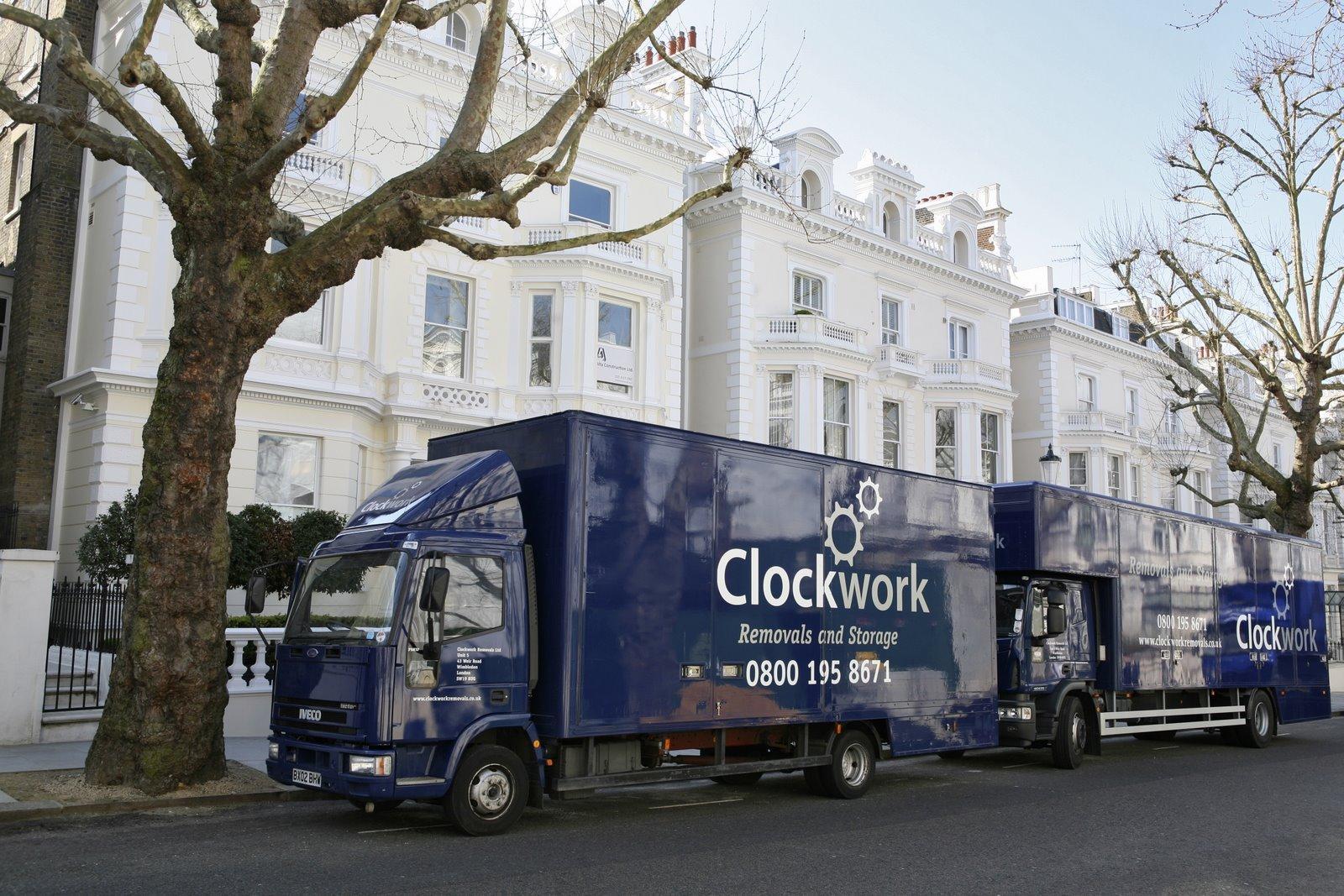
Moving House in London
Moving house can be an exciting yet daunting experience, especially in a huge capital city like London. With its rich history, varied neighbourhoods, and diverse culture, London offers a unique living experience. However, navigating the complexities of finding the perfect home in this sprawling city can be overwhelming. In this guide, we’ll cover everything you need to know about moving house in London, including key considerations and differences between North London and South London.
Location, Location, Location
When looking for a new home in London, location is key. London is a city of distinct areas, each with its own character and charm. Some places such as Hampstead and Primrose Hill in North London and Richmond and Barnes in South London even feel like small towns or villages themselves. When considering where to move, it’s essential to think about factors such as proximity to work, transportation links, amenities, and the community vibe. North London and South London offer contrasting experiences, catering to different preferences and lifestyles.
North London: Urban Sophistication
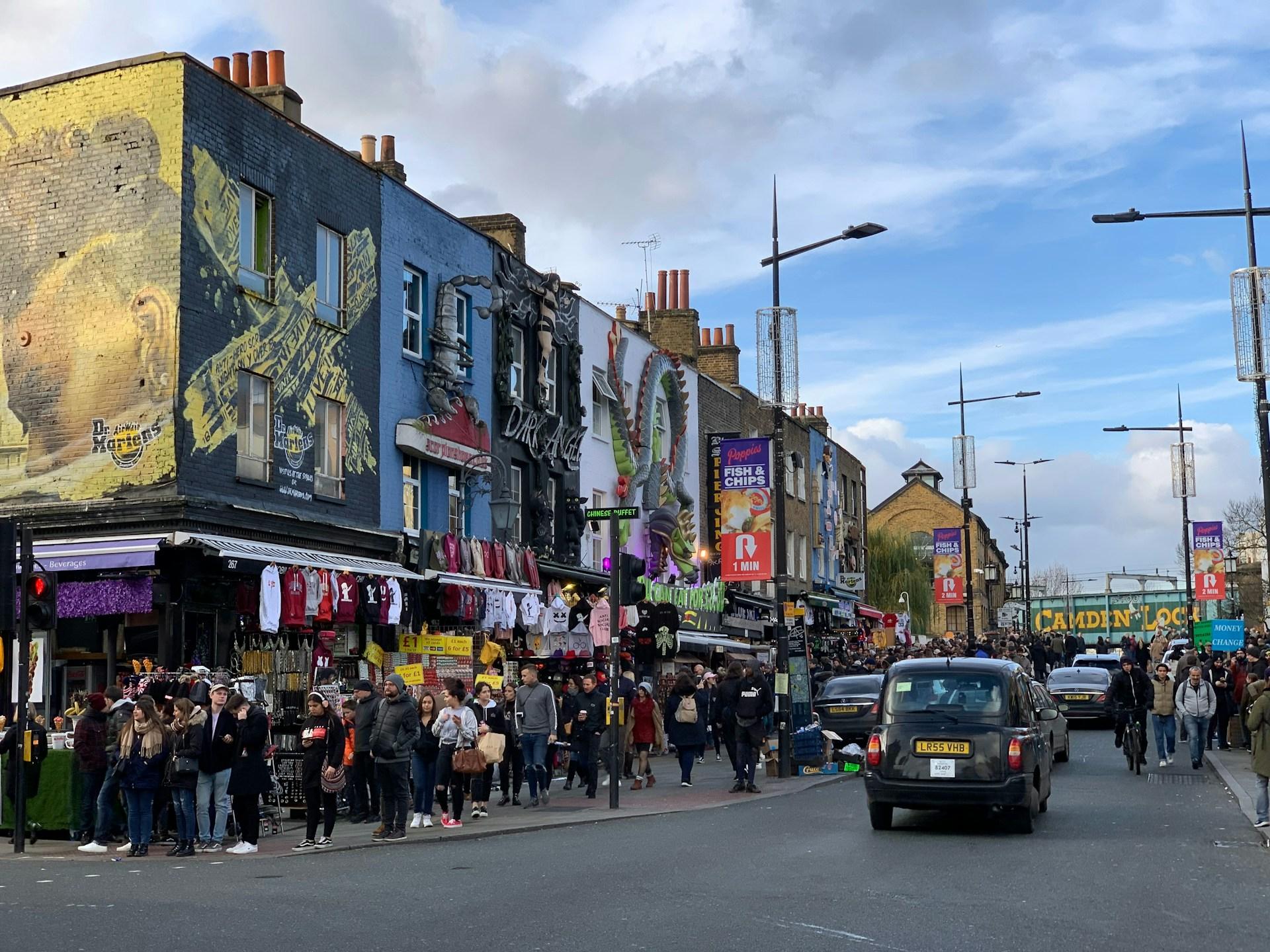
North London is known for its eclectic mix of neighbourhoods, ranging from trendy hotspots to leafy residential areas. Areas like Camden, Muswell Hill, and Hampstead are popular among young professionals and families alike. Here are some key highlights of North London:
Cultural Hub: North London boasts a vibrant cultural scene, with renowned theatres, art galleries, and live music venues. Camden Market, in particular, is famous for its alternative fashion, street food, and indie music scene.
Green Spaces: Despite being in a bustling city, North London offers plenty of green spaces for relaxation and recreation. Hampstead Heath and Regents Park are perfect for picnics, leisurely strolls, and outdoor activities.
Transport Links: North London benefits from excellent transport links, including the Northern Line on the London Underground and numerous bus routes. This makes commuting to central London and other parts of the city relatively convenient.
South London: Suburban Serenity
South London, on the other hand, is known for its more laid-back atmosphere and diverse communities. From historic neighbourhoods to up-and-coming areas, South London offers a mix of residential options. Here’s what you need to know about South London:
Historic Charm: South London is home to several historic landmarks and attractions, such as Shakespeare’s iconic Globe Theatre, Hampton Court Palace and Greenwich Park. Areas like South Kensington and Chelsea exude a sense of history and heritage, with picturesque streets and architectural gems.
Family-Friendly: South London is particularly attractive to families seeking a quieter pace of life. Areas like Fulham, Twickenham and Dulwich offer good schools, parks, and recreational facilities, making them ideal for raising children.
Community Spirit: South London prides itself on its strong sense of community and local culture. From bustling high streets to cozy pubs and cafes, residents often enjoy a close-knit community feel in South London.

Budget Considerations
When moving house in London, budget considerations are crucial. While both North and South London offer a range of housing options, prices can vary significantly depending on the location and property type. Generally, South London tends to be more affordable than its northern counterpart, especially in areas further away from central London.
Ultimately, the decision to move house in London boils down to personal preferences, lifestyle needs, and budget constraints. Whether you choose the urban sophistication of North London or the suburban serenity of South London, there will definitely be an area to suit your lifestyle.
If you are on the move in and around London check out this list of London movers or give our expert team at Clockwork Removals a call.
Back to all news